Business Insurance
Surety Bonds in Mississippi
We shop 100+ carriers to find the right coverage for your home—and we make sure you understand exactly what’s protected before a storm hits.
- 40+ Years in Business
- 100+ Insurance Carriers
- 150+ Years Combined Experience
The Problem With Not Being Bonded
You found a contract that could grow your business. Good money, good client, good fit for what you do. But there’s a requirement you weren’t expecting: you need to be bonded.

Without the right bond, you can’t bid. You can’t win. You watch the opportunity go to someone else.
This happens more often than most business owners realize. Government contracts almost always require bonds. Many commercial clients require them too. License and permit bonds are mandatory for certain professions. If you’re not bonded, you’re locked out of work you’re perfectly qualified to do.
And it’s not just about missing opportunities. Bonds serve a purpose—they guarantee your performance and protect the people who hire you. When you’re bonded, you’re telling clients and government agencies that a third party has vetted you and stands behind your work. That’s a powerful trust signal.
The problem is, many business owners don’t understand how bonds work. They’re not insurance in the traditional sense. They don’t know what types of bonds they need or how to get them. They assume the process is complicated or that they won’t qualify.
So they avoid bidding on bonded work. They limit their growth. They leave money on the table because they never took the time to get bonded.
Our Approach to Surety Bonds
At The James Agency, we help business owners understand surety bonds and get the bonds they need to grow their business.
We start by figuring out what you need. There are many types of bonds—contractor license bonds, bid bonds, performance bonds, payment bonds, permit bonds, and more. Each serves a different purpose. We’ll help you identify which bonds are required for your situation.
Then we explain how bonds actually work. A surety bond is a three-party agreement between you (the principal), the entity requiring the bond (the obligee), and the bonding company (the surety). If you fail to meet your obligations, the bond protects the obligee—but you’re ultimately responsible for repaying any claims. Understanding this helps you see why bonds are a trust signal, not just a requirement.
Because we work with multiple bonding companies, we can find options for different credit profiles and business situations. Not every bonding company has the same requirements, and we’ll find one that fits your situation.

We also help you understand what affects your bond cost and bondability. Your credit, your financials, your experience—these all matter. We’ll tell you where you stand and what you can do to improve your bonding capacity over time.
When you need a bond, we move fast. We know you often need bonds quickly to meet bid deadlines or contract requirements. We work to get your bonds issued as quickly as possible.
HOW IT WORKS
Tell us what you need.
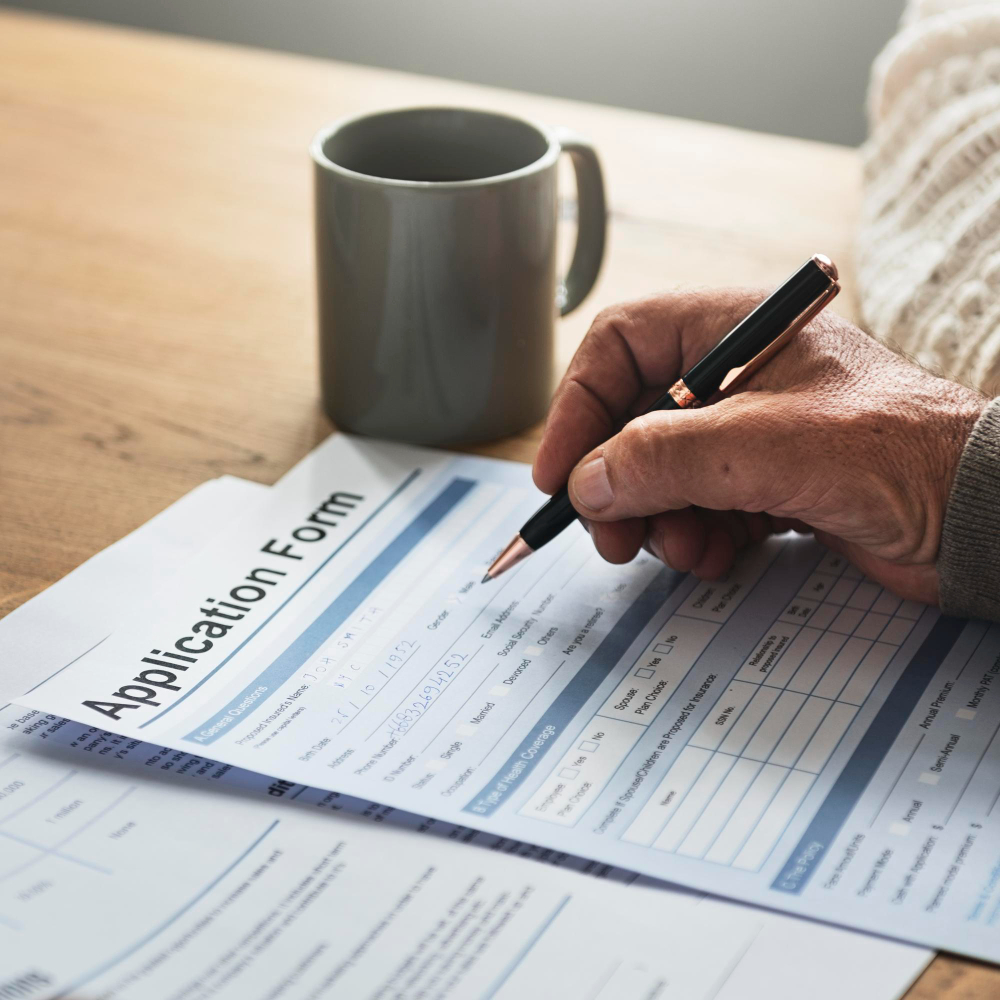
Give us a call or fill out our form. We’ll ask about the type of bond you need, the amount required, and the deadline you’re working with.
We gather your information
Depending on the bond type and amount, we may need information about your business, your financials, and your experience. We’ll tell you exactly what’s required.
We find a bonding company
We work with multiple sureties to find one that fits your situation. Different bonding companies have different requirements and appetites for risk.
We get your bond issued
Once approved, we get your bond documents prepared and delivered. For smaller bonds, this can happen quickly—sometimes the same day.
We're here for ongoing needs
Need another bond? Have questions about bonding capacity? We’re your ongoing resource for surety bonds as your business grows.
What You Get With Us
Access to more contracts
Many government and commercial contracts require bonds. Being bonded means you can bid on work that unbonded competitors can't touch. It opens doors to projects you'd otherwise miss.
A trust signal for clients
When you're bonded, you're telling clients that a third party has vetted you and stands behind your work. That builds confidence and can help you win competitive bids.
License and permit compliance
Many professions and activities require bonds to obtain licenses or permits. We help you get the bonds you need to operate legally in your field.
Multiple bond types available
Contractor license bonds, bid bonds, performance bonds, payment bonds, permit bonds, court bonds, and more. Whatever type of bond you need, we can help you get it.
Options for different situations
Not everyone has perfect credit or decades of experience. We work with multiple bonding companies to find options that fit your specific situation.
Fast turnaround when you need it
Bid deadlines don't wait. When you need a bond quickly, we work to get it issued as fast as possible. Many bonds can be completed within days or even hours.
Help understanding bonding capacity
As your business grows, you may need larger bonds or multiple bonds at once. We help you understand your bonding capacity and what affects it.
A local team who knows bonds
Questions about bond types, bonding requirements, or the application process—you call us directly. We're here to help you navigate surety bonds.
What Our Clients Say
“I’ve been using The James Agency for a few years now for my business, Extreme Pro Wash. They take care of my general liability, commercial auto, and worker’s compensation insurances.”
Johnson
Extreme Pro Wash

“Patrick and his dedicated team work to get you the right coverage for all your needs.”
Wes Crider
“We had a very pleasant meeting and consult for our insurance needs on our new Business today.”
Cissy Nall
Common Concerns
I don't think I'll qualify for a bond
Bonding requirements vary by type and amount. Many smaller bonds are available even with imperfect credit. We work with multiple bonding companies and can often find options for business owners who assume they won't qualify.
The bonding process seems complicated.
It's simpler than most people think, especially for smaller bonds. We handle the paperwork and guide you through the process. For many bonds, you just need to answer some questions and provide basic information.
I've never needed a bond before
That may be true—until a contract requires one. Being bonded before you need it means you're ready when opportunities arise. You won't lose a job because you weren't prepared.
Bonds seem expensive
Bond premiums are typically a small percentage of the bond amount—often 1% to 3% for qualified applicants. When you consider the contracts you can win, the cost is usually well worth it.

I don't understand how bonds are different from insurance
Insurance protects you from losses. Bonds protect the people you work for. If a claim is paid on your bond, you're responsible for repaying that amount to the bonding company. Bonds are essentially a guarantee of your performance.
Surety Bond Questions
What is a surety bond?
A surety bond is a three-party agreement that guarantees you’ll fulfill your obligations. If you fail to perform, the bond protects the party who required it—but you’re ultimately responsible for repaying any claims paid by the bonding company.
What's the difference between a bond and insurance?
Insurance protects you from losses. Bonds protect others from your failure to perform. If a claim is paid on your bond, you owe that money back to the surety. Think of a bond as a guarantee backed by a third party.
What types of surety bonds are there?
Common types include contractor license bonds, bid bonds, performance bonds, payment bonds, permit bonds, court bonds, and license bonds for various professions. The type you need depends on what’s being required and why.
How much does a surety bond cost?
Bond premiums are typically 1% to 3% of the bond amount for applicants with good credit and financials. Higher-risk applicants may pay more. The premium depends on the bond type, amount, and your qualifications.
What affects my ability to get bonded?
Your credit score, financial statements, business experience, and the type and size of bond all affect your bondability. For smaller bonds, credit is often the primary factor. Larger bonds require more extensive financial review.
How long does it take to get a bond?
It depends on the type and amount. Smaller bonds can often be issued within hours or a day or two. Larger bonds requiring financial review may take longer. We work to meet your deadlines.
What happens if a claim is made against my bond?
The bonding company investigates the claim. If it’s valid, they may pay the claimant—and then you’re responsible for repaying the bonding company. This is why bonds are a guarantee of your performance, not insurance that protects you.
Get Your Surety Bond Quote
Open doors to contracts and opportunities.
Give us a call and tell us what type of bond you need. We’ll explain the process, gather your information, and work with our bonding companies to get you approved and bonded as quickly as possible.
No pressure. No obligation. Just straight answers from a team that’s been helping Mississippi businesses since 1982.